High-purity graphite refers to graphite with a carbon content of more than 99.99% and a graphitization degree greater than 90%. High-purity graphite has the advantages of high purity, high strength, high density, high chemical stability, high temperature resistance, dense and uniform structure, high conductivity, good wear resistance, self-lubrication, and easy processing. It is widely used in electrical, metallurgical, military and aerospace, energy, chemical and other industries. High-purity graphite can be divided into natural high-purity graphite and artificial high-purity graphite due to different raw materials and preparation methods.
Artificial graphite usually refers to graphite material obtained by using high-quality petroleum coke and asphalt coke as aggregate, adding coal tar as a binder and other auxiliary materials through a series of high-temperature graphitization treatments.
Special graphite is a high-end product of artificial high-purity graphite, and it covers a wide range. According to the customary classification of the metallurgical carbon products industry, special graphite mainly refers to high-strength, high-density, and high-purity graphite products (referred to as “three high graphite”). However, not all special graphites must meet the same Physical and chemical indicators. Special graphites used in different environments have specific strength and density requirement.
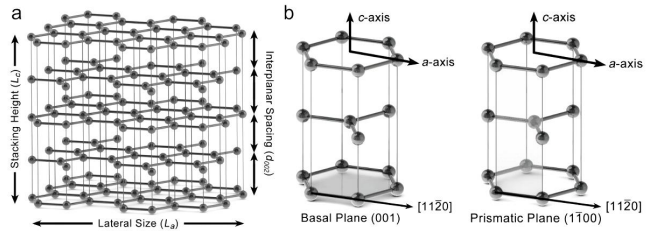
Crystal structure of graphite